


Digital health is changing how Kenyans access and experience healthcare. From digital registration and health insurance platforms to electronic medical records and community health systems, more health information is being collected, stored and shared digitally. Yet behind every dataset is a person and behind every digital record is a story that belongs to someone.
This is why community engagement is at the heart of the My Data, Our Health campaign. The conversation about digital health data cannot be left to technology experts, policymakers and institutions alone. Communities must have a voice in determining how their health information is collected, used, protected and shared.
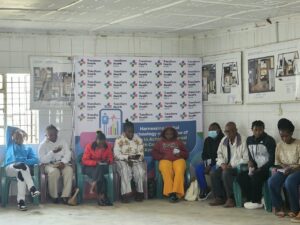
For many people, the idea of “data governance” can sound technical and distant. But in communities, the questions are simple and deeply personal: Who has my information? Why was it collected? Did I give permission? Can someone use it against me? What happens when my information is shared without my knowledge? Where do I go when my privacy is violated?
These questions become particularly important as Kenya continues to expand digital health systems. A patient seeking treatment, registering for health services or interacting with a community health promoter may provide information about their identity, family, health status, medication, reproductive health, HIV status, disability or other sensitive aspects of their lives. The digitalization of this information can improve continuity of care and strengthen health planning, but without adequate safeguards, it can also create new risks.
Community conversations provide an opportunity to move beyond simply telling people that digital health is the future. They create space for people to understand their rights and to question systems that affect them.
Through My Data, Our Health, community members are not merely being treated as recipients of information. They are participating in the process of identifying the challenges they face, mapping how their data moves through health systems and developing solutions that reflect their lived experiences.
One of the most important lessons emerging from these conversations is that consent must mean more than signing a form or answering a question at a health facility. People need to understand what information is being collected, why it is needed, who may access it and, where applicable, what choices they have. Consent should be meaningful, informed and respectful of the circumstances in which people seek healthcare.
Trust is equally important. A digital health system can only work effectively when communities believe that their information will be handled responsibly. When people fear that sensitive information could be exposed, misused or shared without their knowledge, they may become reluctant to seek services or disclose information that healthcare providers need.
This makes privacy more than a technical requirement. It is a public health issue.
Kenya’s Constitution protects the right to privacy under Article 31, while the Data Protection Act, 2019 provides a legal framework for the protection of personal data. But laws and policies must translate into understanding and practice at community level. People should not need to be technology experts or lawyers to understand their basic rights over their health information.
Community engagement therefore becomes a critical accountability mechanism. It gives citizens an opportunity to ask questions, identify gaps and demand systems that respect their dignity. It also allows policymakers, civil society organizations, health actors and technology developers to hear concerns that may not emerge in boardrooms or technical meetings.
The identification of Community Data and Digital Health Rights Champions is one way of sustaining this conversation beyond a single engagement. These champions can help bridge the gap between communities and the institutions responsible for digital health, ensuring that concerns about privacy, consent, access and accountability continue to inform advocacy and policy discussions.
Ultimately, digital transformation should not mean that communities lose control over the information that defines aspects of their lives. Technology should serve people not make people invisible within the systems created to serve them.
My Data, Our Health is therefore more than a conversation about data. It is a conversation about dignity, trust, participation and power. It asks a fundamental question: as Kenya builds the health systems of tomorrow, will communities have a meaningful say in how their data and their health is governed?
The answer must be yes.
Because our health data is about us.
Our data, our health, our rights.