


The Kenya Health Summit 2026 at the Kenyatta International Convention Centre (KICC), Nairobi, offered an important opportunity to take stock of Kenya’s health sector transformation, celebrate progress, interrogate persistent challenges and reflect on what must be done to accelerate Universal Health Coverage (UHC).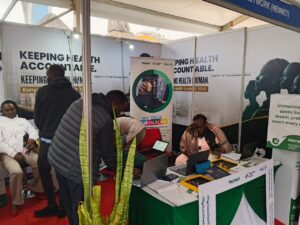
For the Health NGOs Network (HENNET), the Summit was more than a gathering of health sector stakeholders. It was an opportunity to engage with national conversations that are closely aligned with our work in health financing, Primary Health Care (PHC), digital health, health data, accountability and citizen participation.
Among the conversations that particularly stood out were the ongoing implementation of the Social Health Authority (SHA), the expansion of digital health systems and the strengthening of Community Health Promoters (CHPs).
Together, these three areas demonstrate that Kenya’s health transformation is taking place at multiple levels from national financing systems and digital infrastructure to the household level.
SHA: From Health Financing Reform to Health Outcomes
The Social Health Authority remains one of the most significant reforms in Kenya’s journey towards Universal Health Coverage.
According to figures presented during the Summit, 32.3 million Kenyans are now registered under SHA, compared with approximately 8 million beneficiaries under the former National Hospital Insurance Fund (NHIF).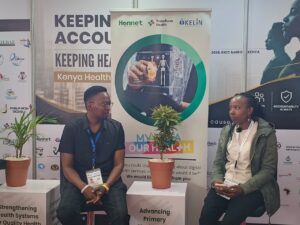
Since October 2024, SHA has received more than KSh209 billion and paid over KSh178 billion to contracted healthcare facilities across all 47 counties, supporting treatment for approximately 8 million citizens.
Through the Primary Health Care Fund, KSh23.3 billion has reportedly been disbursed, supporting more than 20 million outpatient visits and benefiting over 15 million Kenyans. A further KSh17 billion has supported maternal healthcare, including deliveries.
Under SHA, more than 500,000 surgeries have been facilitated and more than 50,000 cancer patients have received treatment, compared with approximately 7,000 under NHIF.
The number of healthcare facilities covered by SHA has also grown to more than 10,700, expanding the potential reach of services across the country. These numbers demonstrate the scale of the ongoing transformation.
But at HENNET, we believe that numbers must always be connected to people.
The critical questions are: Can Kenyans understand SHA? Can they access the benefits they are entitled to? Do they know where to seek help when challenges arise? Are their experiences informing improvements? And are accountability mechanisms working effectively?
These questions place civil society at an important intersection between policy and communities.
Accountability and Public Trust
The Government has emphasized that payments made by SHA are anchored in law, regulations and established accountability mechanisms.
This commitment is important because public confidence will be central to the long-term success of SHA.
As billions of shillings move through the health financing system, Kenyans need transparency around how resources are allocated, how facilities are reimbursed and whether the system is delivering value for money.
HENNET therefore sees an important role for civil society in supporting evidence-based accountability, public participation, health communication and citizen awareness.
Our role is not simply to amplify government announcements. It is to help ensure that policy conversations remain connected to the experiences of communities and that citizens have the information and platforms necessary to participate meaningfully. 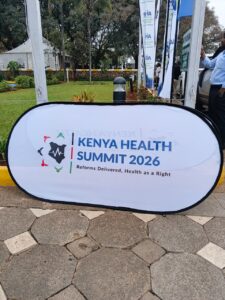
Digital Health: Building the Infrastructure for a Connected Health System
Another major takeaway from the Summit was the scale of Kenya’s digital health transformation.
The health sector is now supported by a digital framework comprising 43 integrated systems through the Digital Health Authority, designed to enable more seamless delivery and management of health services.
This is a significant development.
Digital health can strengthen health information management, improve continuity of care, support decision-making, enhance accountability and potentially make healthcare more responsive to the needs of citizens.
The reported increase in medicine refill rates at the Kenya Medical Supplies Agency (KEMSA), from approximately 40% three years ago to more than 91%, illustrates how better information systems and digitization can contribute to improved health system management.
The Government has also invested in medical technology, delivering 850 modern medical equipment units worth KSh9.7 billion to hospitals in 44 counties, including digital X-ray, dialysis, MRI, CT scan and ultrasound equipment.
But as Kenya digitizes more aspects of healthcare, technology alone cannot be the measure of success.
We must also build trust.
My Data, Our Health: Putting Citizens at the Centre of Digital Health
The conversations at the Summit strongly reinforce the relevance of HENNET’s My Data, Our Health campaign.
As Kenya develops an increasingly integrated digital health ecosystem, health data will become even more central to how healthcare is delivered, monitored and improved.
This creates important questions around data privacy, security, access, consent, responsible use and accountability.
Who owns the data? Who can access it? How is it protected? How is it shared? And how does the data generated by citizens ultimately translate into better health outcomes?
These questions cannot remain confined to technical and policy spaces.
They must become part of the public conversation.
Through My Data, Our Health, HENNET has an opportunity to bridge the gap between digital health policy and citizens by creating platforms for public awareness, dialogue and participation particularly among young people.
Citizens should not merely be viewed as sources of health data. They should be informed participants in the digital transformation of Kenya’s health system.
Community Health Promoters: Taking Health Transformation to the Household
Perhaps one of the strongest reminders from the Summit was that technology and health financing must ultimately translate into services at the community level.
The Government has described Community Health Promoters as the pillar of Primary Health Care at the grassroots.
This is reflected in the scale of the programme.
In partnership with county governments, 107,800 CHPs have been deployed and have reportedly reached approximately 9 million households, helping identify health risks early and connect families to appropriate care.
During the Summit, the Government announced plans to equip all 107,800 CHPs within the next 90 days with new smartphones and modern health kits, replacing equipment that has served them for the past three years.
The announcement is significant because CHPs sit at the point where Kenya’s health system meets the community.
They provide health information, support prevention, identify danger signs and connect households to the formal health system.
The Government also met with 5,000 CHPs on the sidelines of the Summit, recognising their contribution to improving the health and wellbeing of millions of Kenyans.
For HENNET, strengthening CHPs is not simply a matter of providing equipment.
It is an investment in Primary Health Care, prevention, community trust and early intervention.
It also demonstrates why digital health and PHC must be viewed together. Equipping CHPs with smartphones creates an opportunity to strengthen data collection, referrals, reporting, health education and linkages between communities and health facilities.
But the technology must be accompanied by appropriate training, technical support, data protection safeguards and systems that make the work of CHPs easier rather than more burdensome.
Connecting SHA, Digital Health and Primary Healthcare
One of the most important reflections from the Summit is that these reforms should not be viewed in isolation.
SHA provides the financing architecture.
Digital health provides the information and technology infrastructure.
Community Health Promoters provide the grassroots connection.
When these systems work together, they can create a more responsive health system — one that identifies health needs early, connects people to services, finances those services and generates reliable data to inform future decisions.
This is the transformation Kenya should strive for.
HENNET’s Strategic Role
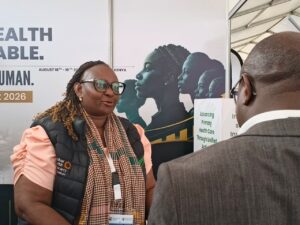
The conversations at the Kenya Health Summit reinforce HENNET’s strategic role in Kenya’s evolving health sector.
As a network of health NGOs, HENNET is uniquely positioned to bring together evidence, community experiences, policy perspectives and civil society voices.
Our contribution is to help bridge policy and people.
That means engaging constructively in national conversations on SHA and health financing, advocating for stronger accountability, supporting Primary Health Care, promoting meaningful public participation and contributing to conversations around responsible digital health and health data.
The Summit therefore reaffirmed the importance of HENNET being present not only as a participant, but as a strategic civil society partner capable of convening, communicating, generating evidence and influencing conversations that shape Kenya’s health future.
Beyond the Numbers
The numbers presented at the Kenya Health Summit tell an important story of investment and expansion.
But behind the numbers are people.
- A mother accessing maternity care.
- A cancer patient receiving treatment.
- A household visited by a Community Health Promoter.
- A patient receiving medicine from a facility that is better stocked.
- A Kenyan interacting with a digital health platform.
- And a citizen trusting the health system with their most personal information.
That is where Kenya’s health transformation must ultimately be measured.
For HENNET, the Summit reinforced a simple but powerful principle:
Health transformation must be people-centred, data-informed, digitally enabled and accountable to the communities it serves.
As we advance My Data, Our Health, HENNET will continue to champion informed citizen participation, responsible use of health data and stronger links between digital health, health financing and community-level healthcare.
The journey towards Universal Health Coverage is ongoing.
And civil society must remain at the table, not only to observe the transformation, but to help shape it.
Our data. Our health. Our voice. Our future.