


HENNET and Humentum Champion Civil Society Sustainability Through Multi-Stakeholder Dialogue
Strengthening the Resilience and Sustainability of Civil Society Organizations in Kenya
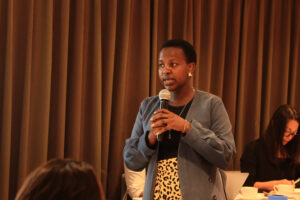
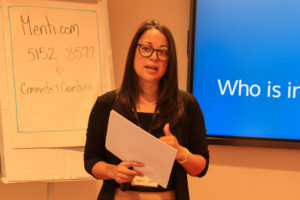
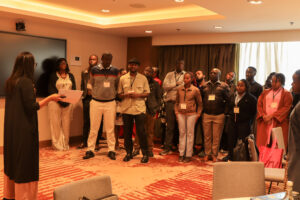
The Health NGOs Network (HENNET), in partnership with Humentum, convened a multi-stakeholder dialogue focused on strengthening the resilience, sustainability, and future readiness of Civil Society Organizations (CSOs) in Kenya.
The engagement brought together leaders from civil society, development partners, health sector stakeholders and nonprofit professionals to discuss the evolving landscape facing the sector and identify practical solutions for building stronger, more sustainable institutions capable of delivering lasting impact.
Why Civil Society Sustainability Matters
Civil Society Organizations have long been at the forefront of advancing public health, promoting social justice, strengthening accountability, and supporting community development across Kenya and beyond. Through advocacy, service delivery, research, and citizen engagement, CSOs continue to play a critical role in addressing some of society’s most pressing challenges.
However, the operating environment for nonprofit organizations is rapidly changing. Shifting donor priorities, declining traditional funding streams, increasing compliance requirements, technological advancements, and evolving community needs are creating new challenges that require organizations to rethink their approaches to sustainability and organizational effectiveness.
As the development sector continues to transform, there is an increasing need for CSOs to build resilient systems, strengthen governance structures, diversify funding sources and embrace innovation to remain relevant and impactful.
Exploring Pathways to Long-Term CSO Resilience
The dialogue provided a platform for participants to reflect on both the opportunities and challenges facing the civil society sector while identifying strategies to strengthen organizational sustainability.
Key areas of discussion included:
- Strengthening leadership and governance structures.
- Enhancing organizational systems and operational effectiveness.
- Promoting innovation and digital transformation.
- Advancing localization and locally led development.
- Diversifying resource mobilization and funding strategies.
- Improving financial management and compliance systems.
- Strengthening risk management and organizational resilience.
- Building institutional capacity for long-term growth and sustainability.
Participants shared practical experiences and lessons learned from their respective organizations, highlighting the importance of adaptive leadership and strategic planning in navigating an increasingly complex development environment.
Building Sustainable Organizations Through Strong Systems and Partnerships
A recurring theme throughout the discussions was the recognition that sustainable organizations are built on strong foundations. Participants emphasized the need to invest in people, systems, partnerships and institutional capacity to ensure organizations can continue delivering value to communities while adapting to emerging challenges.
The dialogue also underscored the importance of collaboration among civil society organizations, development partners, government institutions and the private sector in creating an enabling environment for sustainable development.
By fostering partnerships and promoting collective action, stakeholders can strengthen the broader civil society ecosystem and ensure organizations remain effective, accountable and responsive to the communities they serve.
The Role of Localization in the Future of Development
As global conversations around aid effectiveness and development cooperation continue to evolve, localization remains a critical priority for the civil society sector.
Participants explored how locally led organizations can be empowered through increased access to resources, decision-making opportunities, and capacity strengthening initiatives. Strengthening local leadership and ownership was identified as a key pathway toward creating more sustainable and impactful development outcomes.
Humentum’s Contribution to Organizational Effectiveness
Through its work in organizational effectiveness, operational excellence, compliance, financial management, risk management, and capacity strengthening, Humentum continues to support nonprofit and development organizations worldwide in becoming more resilient and future-ready.
Its expertise provides organizations with the tools and knowledge needed to navigate change, strengthen internal systems and achieve sustainable growth in a rapidly evolving operating environment.



HENNET’s Commitment to Strengthening Civil Society
As a leading health sector network in Kenya, HENNET remains committed to supporting Civil Society Organizations through advocacy, capacity strengthening, knowledge sharing, and stakeholder engagement.
HENNET believes that the sustainability of the civil society sector is a shared responsibility that requires collaboration, innovation, and strategic investment. By creating platforms for dialogue and collective learning, HENNET continues to contribute to building a stronger, more resilient civil society ecosystem capable of advancing health outcomes and sustainable development for all.
The multi-stakeholder dialogue with Humentum marks an important step in fostering conversations and actions that will help shape the future of Civil Society Organizations in Kenya and beyond, ensuring they remain effective, impactful and sustainable in an increasingly dynamic development landscape.